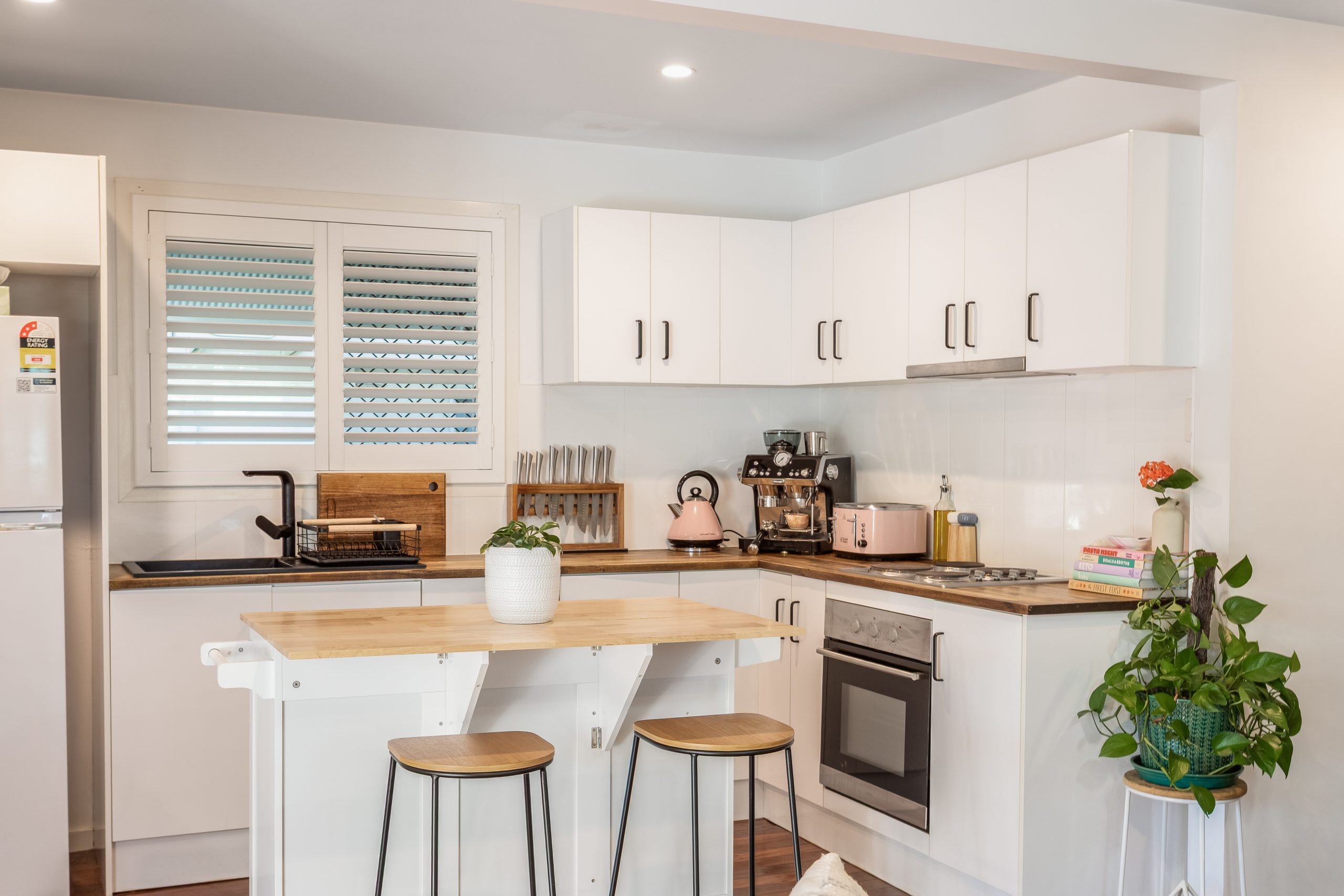
Routine Inspections Done Right: Protecting Your Investment Without Overstepping
Routine inspections are one of the most important parts of managing a rental property, but they’re also one of the easiest areas to get wrong.
Over the years, I’ve seen both sides. Landlords who want every tiny detail reported beyond fair wear & tear, and tenants who feel like their home is being nitpicked with white cotton gloves. The reality sits somewhere in the middle. Done properly, routine inspections should protect your investment and maintain a respectful tenancy.
Understanding the Legal Requirements in Queensland
In Queensland, routine inspections are clearly governed under legislation, and it’s important to get this right.
Under guidelines from the Residential Tenancies Authority:
- Inspections can be carried out no more than once every 3 months
- A minimum of 7 days’ written notice must be given
- Entry must be at a reasonable time of day
This isn’t just about ticking a compliance box. Following the correct process sets the tone for a professional relationship and avoids unnecessary disputes.
It’s Not Just How Often, It’s How It’s Done
While Queensland legislation limits routine inspections to no more than once every three months, it’s not just about following the schedule, how the inspection is conducted is equally important. Inspections that feel overly intrusive can create tension and disengage tenants, while leaving long gaps between inspections can allow minor issues to develop into costly repairs. The key is a balanced, consistent approach that protects your property and maintains a positive landlord-tenant relationship.
What Should Actually Be Checked?
This is where experience really matters.
At Distinction Realty, like all professional property managers, our routine inspections are visual inspections only. We are not qualified building or pest inspectors, and that’s standard across the industry. If there’s ever any uncertainty about a potential issue, we always recommend landlords engage a qualified, licensed contractor. During inspections, we can provide our professional opinion on visual issues, such as mould, possible termite hazards, leaks, or other obvious concerns.
A routine inspection is not about checking if a tenant has a dish in the sink or whether the bed is made. It’s about identifying risks to the property and ensuring it’s being reasonably cared for.
During routine inspections, we concentrate on protecting the property and identifying potential risks. Key areas include:
- Any damage beyond fair wear and tear
- Maintenance issues such as leaks, cracks, mould, or other safety concerns
- Condition of fixtures, fittings, and inclusions, helping landlords plan and budget for future repairs or replacements
- Signs of unauthorised occupants or pets
- Indicators of illegal or unlawful activities
- General upkeep of the home and yard
Our focus is always on the condition of the asset, not a tenant’s personal lifestyle, provided there is no risk to the property or potential for hidden damage.
Preventing Problems Early (This Is Where Good Management Counts)
A professional property manager doesn’t just walk through, take photos, and send a report. We go further to protect your investment:
- Identify early warning signs before they become major repairs
- Communicate clearly with tenants about expectations
- Follow up promptly on maintenance
- Provide honest, practical advice to landlords
For example, spotting a small leak early can save thousands in water damage. Noticing ventilation issues can prevent mould growth. Addressing minor concerns early protects both your property and your tenancy, helping landlords maintain long-term value.
Respect Goes Both Ways
Tenants are far more likely to take pride in a property when they feel respected. A professional, fair inspection process helps build that trust.
When inspections are handled properly:
- Tenants feel comfortable reporting issues early
- Communication improves
- Properties are better maintained long term
And ultimately, that’s what every landlord wants.
Final Thoughts
Routine inspections should never feel like an intrusion, they should feel like a professional check-in.
Done right, they:
- Protect your investment
- Keep you compliant
- Support a positive tenancy
It’s not about being overly strict or too relaxed, it’s about being consistent, fair, and confident enough to raise potential issues with tenants or landlords before they escalate, while having the experience to know what truly matters.
If you’d like a more hands-on approach to managing your investment, feel free to reach out. The right systems and the right people make all the difference.